Kubernetes is everywhere now - whether you’re deploying apps, managing infrastructure, or working on security, Kubernetes is a core skill. The certifications from CNCF and Linux Foundation help you prove that skill.
Info
This page is a living guide and gets revised as certification tracks, exam formats, and pricing change.
I’ve gone through the journey - passed CKA and CKAD in 2020, then renewed them in 2025 after completing both KCNA and KCSA. Here’s everything I’ve learned, packed into one guide with tips, course recommendations, exam details, and how to aim for the Kubestronaut badge.
Note
Please don’t ask me for sample questions or dumps - I don’t have any, and I wouldn’t share even if I did. These are hands-on practical exams, not multiple-choice. You’ll also need to agree to the Certification and Confidentiality Agreement before taking the test.
Table of Contents
Choose Your Track for Certification
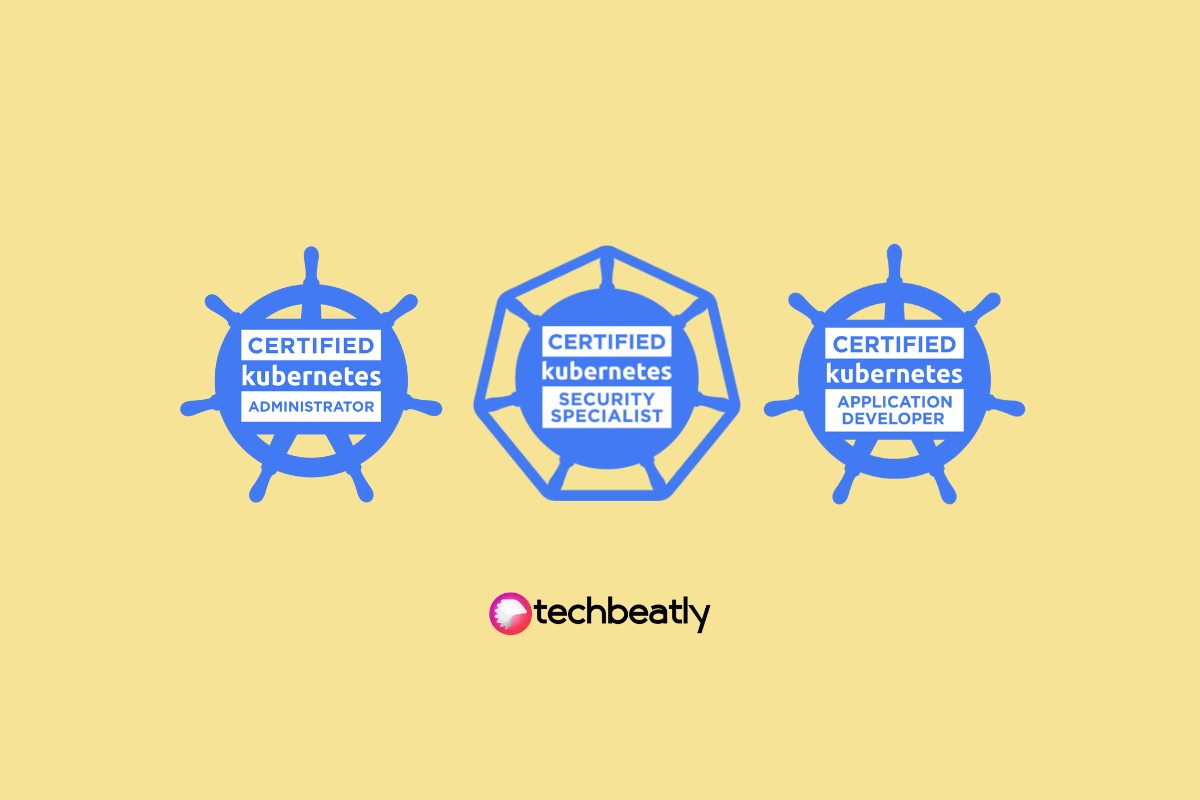
Selecting the right Kubernetes certification track depends on your goals, existing knowledge, and desired level of expertise. The Cloud Native Computing Foundation (CNCF) offers the Certified Kubernetes Administrator (CKA), Certified Kubernetes Application Developer (CKAD), Certified Kubernetes Security Specialist (CKS), Kubernetes and Cloud Native Associate (KCNA) and Kubernetes and Cloud Native Security Associate (KCSA) certifications. Here’s how to choose the right track:
Kubernetes and Cloud Native Associate (KCNA)
The KCNA exam is designed to validate your foundational knowledge of Kubernetes and cloud-native technologies. While not a mandatory certification, it’s a great option if you want to build a solid understanding of Kubernetes before pursuing more advanced certifications like CKA, CKAD, or CKS.
Recommended Courses for KCNA
- Kubernetes and Cloud-Native Associate (KCNA) - by KodeKloud
- Dive Into Cloud Native - Containers, Kubernetes and the KCNA - by James Spurin / Diveinto
Certified Kubernetes Administrator (CKA)
If you’re an infrastructure person like a Linux or Systems Engineer, the Certified Kubernetes Administrator (CKA) track is a great choice. It covers the full Kubernetes architecture and day-to-day operations from start to finish.
- Target Audience: If you’re an operations-focused professional managing Kubernetes clusters - designing, deploying, or maintaining them - this certification is made for you.
- Skills Measured: The CKA exam tests your skills in real-world tasks like deploying apps, configuring storage and networking, managing resources, troubleshooting issues, and securing the cluster.
- Prerequisites: It’s best to have some hands-on experience with Kubernetes in a production setup before going for the CKA exam.
Recommended Courses for CKA
- Certified Kubernetes Administrator (CKA) - KodeKloud - by Mumshad Mannambeth
- Certified Kubernetes Administrator (CKA) with Practice Tests - by Mumshad Mannambeth - Udemy
Certified Kubernetes Application Developer (CKAD)
If you’re a developer focused on deploying and managing applications rather than managing the Kubernetes infrastructure itself, the Certified Kubernetes Application Developer (CKAD) track is the perfect fit. It covers exactly what you need to design, build, and manage applications within a Kubernetes cluster.
- Who Should Take It: If you’re a developer working with applications on Kubernetes and want to demonstrate your skills in using Kubernetes primitives to design and build applications, CKAD is the right certification for you.
- What You’ll Learn: The CKAD exam tests your ability to create and configure applications, manage pods, services, and deployments, handle application resources, and troubleshoot issues in a Kubernetes environment.
- What You Need Beforehand: It’s recommended to have a basic understanding of Kubernetes concepts and some hands-on experience with the platform before attempting the CKAD exam.
Recommended Courses for CKAD
- Certified Kubernetes Application Developer (CKAD) - by Mumshad Mannambeth
- Kubernetes Certified Application Developer (CKAD) with Tests - by Mumshad Mannambeth - Udemy
Kubernetes and Cloud Native Security Associate (KCSA)
The KCSA exam validates your understanding of the baseline security configurations required for Kubernetes clusters to meet compliance standards. It covers skills like hardening security controls, testing and monitoring security, and participating in assessing security threats and vulnerabilities.
Recommended Courses for KCSA
- Kubernetes and Cloud Native Security Associate (KCSA) - by KodeKloud
Certified Kubernetes Security Specialist (CKS)
If you’re focused on security and manage all security-related operations, the Certified Kubernetes Security Specialist (CKS) exam is the one for you. It will test your skills in areas like security hardening, cluster hardening, vulnerability management, and logging/monitoring.
Recommended Courses for CKS
- Certified Kubernetes Security Specialist (CKS) - by Mumshad Mannambeth
- Kubernetes CKS 2021 Complete Course - Theory - Practice - by Kim Wüstkamp - Udemy
- Kubernetes CKS Full Course Theory + Practice + Browser Scenarios [FREE] - by Kim Wüstkamp - YouTube
My opinion on combining CKA, CKAD, and CKS
Since the tracks and topics are closely related, earning multiple certifications (e.g., CKA + CKAD or CKA + CKS) can be a great idea. The effort required for the second certification won’t be much, and it can enhance your credentials. Of course, this is just my opinion - only go for it if you’re interested and willing to invest the time and money.
Watch Video Subscribe to YouTube Channel
Preparing for the Exam
This is a bit critical as you need to choose and learn the right content and right method for preparation.
Kubernetes Documentation
Yes, Kubernetes doc is an awesome resource, but you must know what the topics are to learn, especially for the exam. If you are a good student who can learn from original documentation, then kubernetes doc is a good resource for you; but you need to make sure you practice a lot, as I mentioned earlier, this is a practical exam.
Follow a Course from an Expert
Going for a course is a better idea as it will cover all those topics needed for the exam and you don’t need to worry about other topics. There are so many training centers offering training (online and classroom) for Certified Kubernetes Administrator (CKA) & Certified Kubernetes Application Developer (CKAD) exams. Yes, online courses are better as we can attend them in our own comfort and our own schedules. But choosing the right course is very important as it must cover all those topics for exams.
Preparing a Lab to Practice
As I mentioned earlier, this is a practical exam and you need to practice a lot until you feel that you can simply do the tasks. Preparing a lab is simple if you can follow the documentation, but some of the tasks like upgrading a cluster or nodes will be difficult as you need to re-set up your own lab once torn down each time. If you are following the KodeKloud course, you don’t need to worry as labs are FREE and you can try as much as you need.
Tip: I follow only the KodeKloud course and did practice lab + lightning labs + mock exams 2-3 times, until I feel that I can do all types of tasks without any issues, and on time.
Registering for the exam
You can register for CKA, CKAD, CKS, KCNA, and KCSA exams via the CNCF or Linux Foundation portal. You can purchase a voucher and you have 12 months’ time to attend the exam. So, whenever you see an offer or promotion, just buy the voucher and plan your exams whenever you are comfortable to attend - within a year.
For current pricing and any active discounts, check the TechBeatly Kubernetes page.
Refer to the Candidate Handbook for more details.
Exam Format
Sorry for repeating, but please note again, this is a Practical Exam and you need to create/troubleshoot Kubernetes objects based on questions in a virtual environment.
- Certified Kubernetes Administrator (CKA) - 120 Minutes (2 hours)
- Certified Kubernetes Application Developer (CKAD) - 120 Minutes (2 hours)
Tips for Exam & Preparations
This is a straightforward exam and the questions are direct. Tips are tips, still you need to do your part by practicing and understanding all required Kubernetes tasks and definitions.
#1. Practice, Practice, Practice
Focus on the course and do all practice labs during the course itself (not by the end). Do practice labs and mock exams multiple times; more practice will give you more confidence. (KodeKloud has one of the best lab arrangements I have ever seen.)
#2. Be familiar with the Kubernetes documentation portal
You can access kubernetes docs during the exam for reference. Make sure you are comfortable with https://kubernetes.io/docs/, not just for “searching” help but to understand things well. You are also allowed to bookmark document pages as needed in the browser and use them during the exam. Please note, DO NOT access any other websites during the exam - only ONE extra tab besides the exam tab.
#3. Learn JSONPATH
Learn JSONPATH and be proficient in using it because you may need to format your output using JSONPATH queries. There is a JSON PATH Quiz - FREE COURSE from KodeKloud on YAML and JSONPATH by which you can easily understand the usages.
#4. Search for resources, not exam dumps
DO NOT waste your time searching for CKA questions and samples on the internet; use that time for practicing the available labs and reading the Kubernetes docs.
#5. Read about the exam environment
Refer to the Candidate Handbook and see the details about the exam setup. There are instructions on how to copy-paste, shortcut keys to be used, etc. Eg: Ctrl+Ins / Shift+Ins combination can be used on Windows, or Cmd+C to copy and Cmd+V to paste on Mac.
#6. Try Kubernetes the Hard Way
This is not a mandatory task, but it would be great if you can do this at least once (not really needed for CKAD) as you will learn what the components are inside and how they all talk to each other. You may try the one based on GCP by kelseyhightower or the alternate VirtualBox setup by Mumshad.
#7. Set up your editor for handling YAML
Don’t ignore your editor. You’ll spend a lot of time writing YAML files. Configure vim or your preferred editor to avoid indentation issues. A simple .vimrc config with options like tabstop, expandtab, and number will save you from wasting time during the exam. Check out the Setup Vim editor for Kubernetes guide to learn more.
Bonus Tip
Working through KodeKloud’s Kubernetes Challenges is a great way to build confidence. It helps you get comfortable creating resources quickly, improves your timing, and gets you past the hesitation of trying things out on your own.
Common Mistakes to Avoid
I’ve also written a separate blog with a quick video, but here’s the summary:
- Skipping the Candidate Handbook - big mistake.
- Relying on dumps or guessing - waste of time.
- Poor YAML indentation - leads to failed deployments.
- Not practicing under time pressure - time runs out fast.
Exam Result
You’ll get your exam results by email, usually within 24 hours. You can also check your score, status, and other details anytime at portal.linuxfoundation.org.
References & Links
Official References
- Register for CKA & CKAD
- Exam Curriculum (Topics to cover)
- Candidate Handbook (CKA and CKAD)
- Exam Tips
- kubectl CLI reference
- Refer to the FAQ Document and CKA FAQ
Reading References
- CKAD-exercises by dgkanatsios
- Kubernetes CKA and CKAD example exam questions and practical challenges by Kim Wüstkamp
- twajr/ckad-prep-notes
- twajr/Certified Kubernetes Application Developer (CKAD)
- twajr/cka-prep-labs
- twajr/Kubernetes Certified Administration
- bmuschko/ckad-crash-course
- ameyarajwade7/CKA-Exercises
- franchev/CKA-Exercises
- chadmcrowell/CKA-Exercises
- kimdoanh89/CKA-exercises
- stretchcloud/cka-lab-practice
- strongjz/cka-resources.md
- runlevel4 - How did I pass CKAD Exam
- Bookmarking
- Accessing Kubernetes Pods from Outside of the Cluster
Lab Resources
All the very best!

 Editorial